Strait of Hormuz Closure
4 minute read
June 15, 2026

Andrew Gillick
Managing Director, Director of Research
Strait of Hormuz Closure
How Many Times Do We Have to Learn This?
Great powers have a habit of misreading how easy it will be to control escalation. So do markets. The first instinct is always to price the headline, assume the disruption is temporary, and fade the move. The harder part is recognizing when the real damage comes later.
Oil shocks work the same way. They are never just about the first lost barrel. The bigger damage usually shows up with a lag, in freight, insurance, inflation expectations, consumer confidence, LNG balances, refinery runs, and eventually growth. As such, the markets are looking way too relaxed about the current state of the world. I guess energy is just hard.
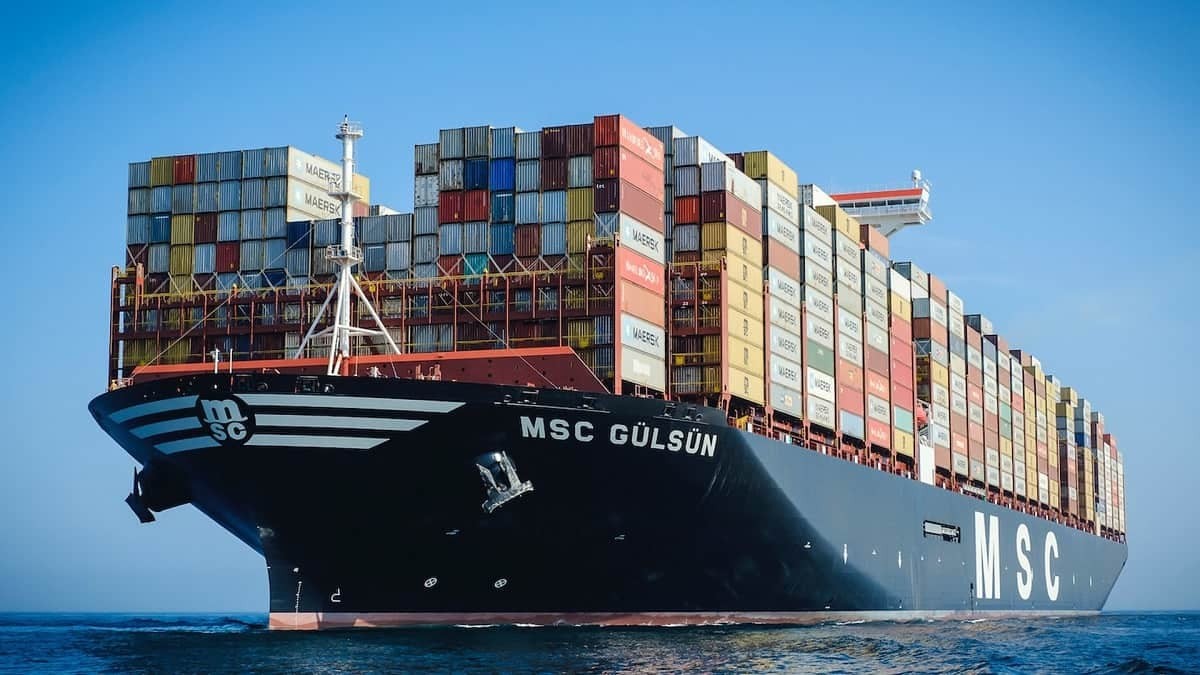
We have all been reading that 20% of global crude oil supply passes through the Strait of Hormuz every day, not to mention ~20% of global LNG, which just got smaller after the damage to Qatar’s Ras Laffan facility. And while it is a global market, about 80% of the oil and oil products moving out of the Strait head to Asia. Those barrels do not arrive overnight. India can feel the pressure within days, but Northeast Asia can take up to a month. This means the physical and economic effects of disruption show up with a lag, not all at once.
For some reason, the market seems to be taking all the political jawboning at face value and expecting a TACO outcome. I just do not see a world where the ceasefire takes hold and everything is business as usual. If the market is thinking this will be just like when Russian barrels were sanctioned post Ukraine invasion, they are wrong. Those Russian barrels still made it to market. These barrels are trapped.
Saudi Arabia has somewhat mitigated the pain with its pipeline that gets volumes to the Red Sea, bypassing the Strait. But that totals only 7MM bbls/day, assuming no deliverability issues from the conflict. And are we all missing the part where Middle East producers have sustained serious damage to both producing and shipping infrastructure? Add in the fact that roughly 8MM bbls/day is currently offline due to both damage and lack of storage, and any oil glut we were talking about at the beginning of the year is far gone.
The market is missing the forest for the trees. Duration risk is what matters here, not front-end volatility. Even if the Strait opens back up, if there is no change in the Iranian government, we are not just going back to normal. The risk does not disappear just because the waterway is technically open. It becomes a standing tax on the system.
Why does this matter? Because the economic knock-on effect of this kind of disruption is delayed almost by design. Cargoes that have not moved in the last month were not all intended to be at their destinations right away, and in theory those destinations had storage. Refiners, utilities, petrochemical buyers, and LNG importers can absorb a short interruption. But now inventories have been drawn down, replacement barrels are going to be more expensive, shipping routes are lengthened, insurance costs rise, and buyers will be forced into a more competitive scramble for substitute supply.
Last Friday, we started to see some of the first inflation numbers from the U.S. government. The trend is not your friend. The New York Fed’s March Survey of Consumer Expectations showed one year inflation expectations rising to 3.4%, up from 3.0% in February, with gasoline price expectations surging to the highest level since March 2022. Add in University of Michigan’s consumer survey showing already weak sentiment, and what happens when the medium-term effects of a prolonged Hormuz risk premium have had time to work through the system?
That is the second mistake in current pricing. The market is still too focused on the headline event and not focused enough on the post conflict operating reality. This tax can take several forms. It can be literal, in the form of fees, delays, inspection regimes, or informal coercion. It can be financial, through higher war risk premiums and insurance costs. It can be commercial, as buyers pay up for non-Hormuz barrels and LNG cargoes. And it can be macroeconomic, as persistently higher energy and freight costs bleed into inflation, squeeze real incomes, and erode confidence.
The bigger mispricing may sit further out the curve and across other assets entirely. If Hormuz reopens under a cloud of recurring political risk, elevated insurance costs, impaired LNG flows, and a structurally higher premium on non-Hormuz energy, then the entire cross asset response today will look much too complacent, not because markets missed the headline, but because they misread what comes after it.
What comes next is the opportunity. A complacent market does not often prepare for potential new realities, which creates big dislocations. Renewable developers who thought rates would stay zero forever found themselves in a bit of a pickle when their equity value evaporated with higher rates just a few years ago. Markets are very good at extrapolating the recent past. They are much worse at repricing the world we are about to get. In that kind of environment, the winners are usually not the tourists. They are the owners of hard assets, the providers of patient capital, and the groups that know how to use structured solutions to lean into dislocation without pretending the downside does not exist.