You Can’t Download a Megawatt
3 minute read
June 9, 2026

Andrew Gillick
Managing Director, Director of Research
You Can’t Download a Megawatt
A new development in my podcast rotation is, surprisingly, those four tech besties on the All-In podcast. Not because I love everything they have to say, but they know tech, and tech is driving the market. Last week they talked about SpaceX and for the first time I really stopped to think about the size of the thing. A $1.8 trillion IPO, which would make it a top seven or eight company in the country on day one, and it’s going to shake up the market, forcing public managers to question their ideas around asset allocation. The largest listing in history by a factor of roughly 2.5x over Saudi Aramco, and essentially three companies inside one ticker: a global broadband network, a launch business (I call it the space taxi), and an AI and compute arm that houses Grok and the Colossus supercomputer. It’s like nothing we have seen before and everyone is watching to see what happens next.
Previously I’ve flagged how the market is great at pricing first order impacts but bad at the follow through. As I dug into the S-1, the follow through was right there staring back at me. Everything SpaceX does, and everything it wants to be, needs energy, and that’s exactly what the world is scrambling to secure. Start with the launch business. A single full Starship stack burns roughly 1,280 tons of liquid methane per flight. Musk says he wants a fleet of a thousand of them, each flying a thousand times a year. Run that math and you get almost 190 Bcf/d of gas, nearly double what the entire United States consumes today. Sounds crazy right? But what if he’s only ten percent crazy? That’s still 20 Bcf/d of new demand that exists in nobody’s model.
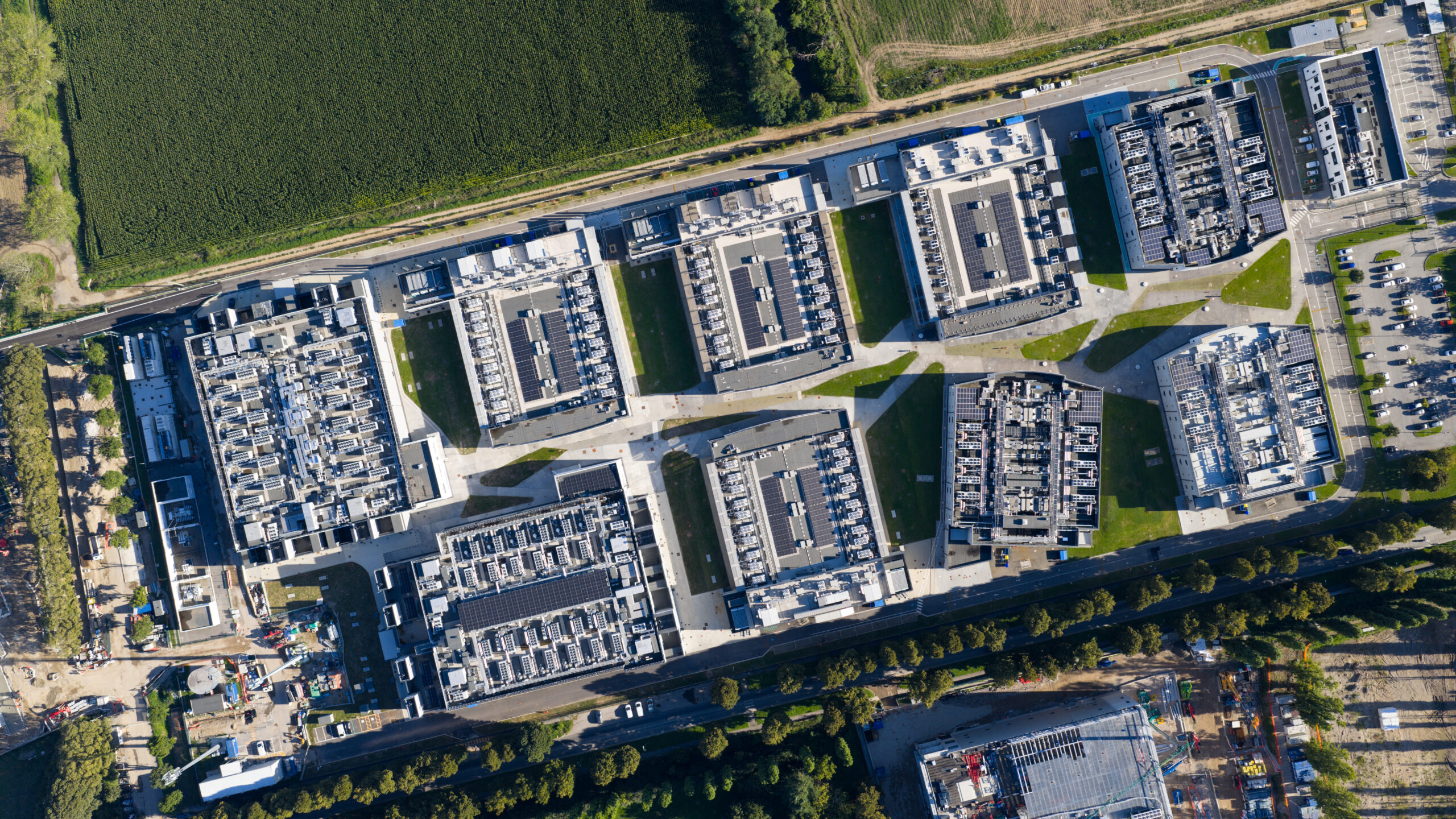
Then there’s Colossus, the data center behind Grok that needs two gigawatts of power. When xAI first arrived in Memphis to build Phase 1, they were told they could have 50 MW. So rather than wait years, Musk said, lines are for suckers and trucked in dozens of mobile natural gas turbines and built his own power plant right in the parking lot. A company that lands rockets on barges couldn’t get electricity from a major American city, so it became its own utility. No surprise there, or that Musk is already shopping for his next starport, this time on the Gulf Coast of Louisiana, on a tract Exxon couldn’t make work for a carbon capture project. Not a bad location, as he has the existing methane and LNG network, water, and a power system already installed.
Now look at some of the other deals getting headlines. NextEra moves on Dominion. Commonwealth makes FID on its LNG facility. Fervo prints the largest clean energy IPO ever. And yeah, a rocket company goes hunting for gas-adjacent coastline. Four unrelated headlines, one theme underneath all of them. The entire AI and space race is a power story wearing a technology costume. The compute, the chips, the rockets, the models, are all the part you get to see. The part that decides whether any of it happens is the part everyone is now scrambling to figure out.
What we should have always known, but has only just come into focus, is that physics is the governor of this AI revolution. The cloud is great. But fabs don’t run in the cloud, they make the cloud. The world needs makers, and every time we get a tech revolution the makers get called up and deliver. The difference this time is the demand is already contracted, not hoped for. So while the market spends the back half of this year tearing itself up to make room for one rocket company (and probably a few AI companies behind it), ask which assets are being sold to make room and which ones can’t be. The market right now is selling the most liquid, highest-beta risk it owns, you can see it in crypto having its worst week since February, while it spares what’s essential and contracted. The firm power, the fuel logistics, the wires and the pipes between them don’t have to do anything while everyone else trades the spectacle. Everyone is watching the rocket. The rocket isn’t the trade. The fuel is.